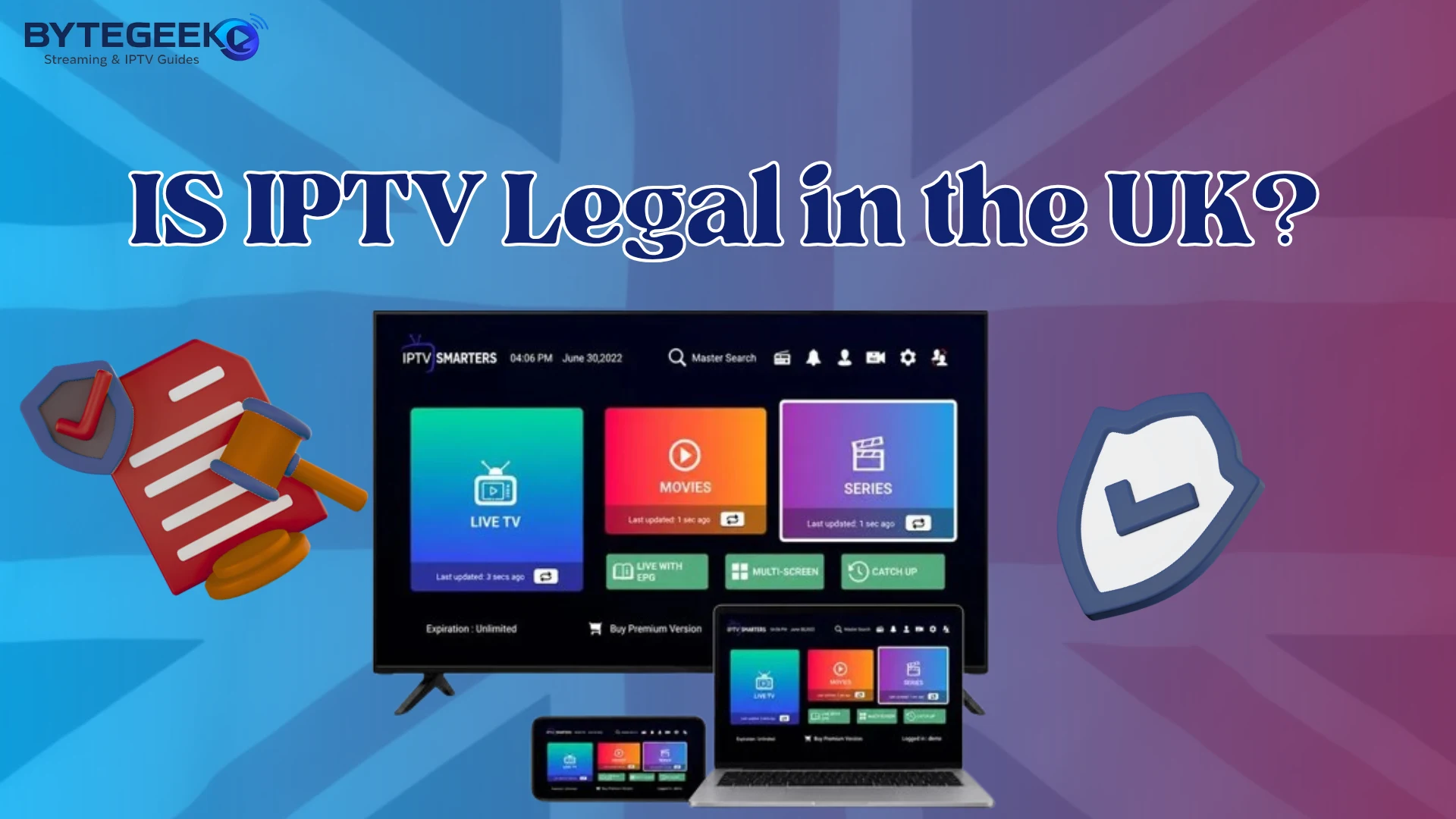
Many people wonder whether using IPTV is legal in the UK. In reality, IPTV is simply a streaming technology over the internet, but its legality depends on the content and its source. If the provider has an official licence, the service is legal. In this article, you’ll find the key information you need to know.
Table of Contents
What Is IPTV and Why People Use It ?
IPTV is a modern way to watch TV through the internet instead of traditional television, satellite, or cable. It is easy to use and can give access to movies, series, live channels, PPV events, sports, and sometimes international channels from different countries. However, IPTV is only legal in the UK when the provider has the proper rights and licences to stream that content. This is why it is important to check the source before using any service.
When Is IPTV Legal in the UK?
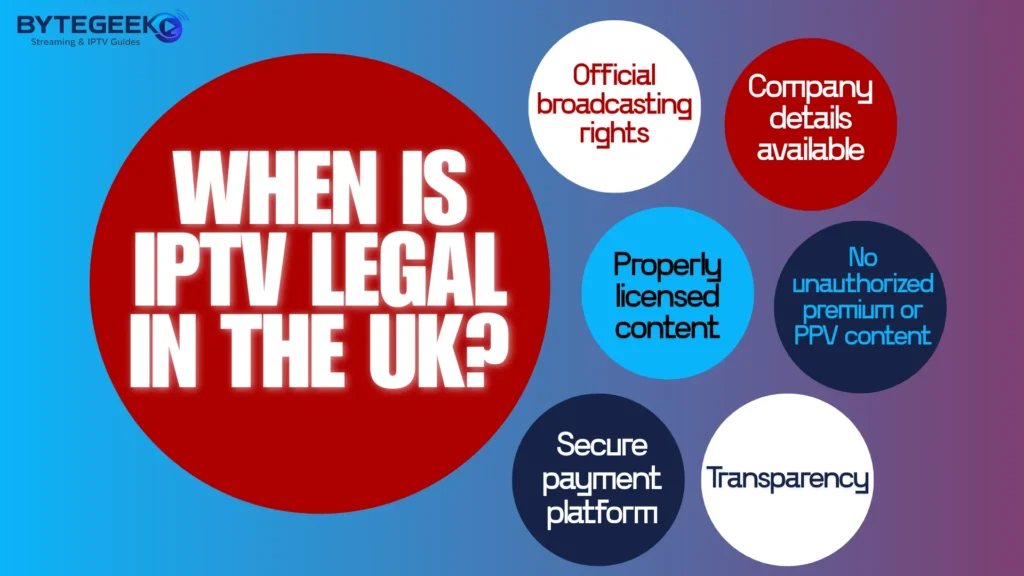
- The provider has official broadcasting rights for the content it offers.
- The channels, movies, series, and sports events are properly licensed.
- Payment is made through a clear and secure platform.
- The service provides company details, privacy policy, and terms of use.
- The provider does not offer premium channels, PPV, or sports content without permission.
- The service is transparent about what it can legally stream.
When Does IPTV Become Illegal ?
- IPTV becomes illegal when the provider sells content without a licence.
- This includes Sky Sports without an official subscription, TNT Sports, Premier League streams at very low prices, new movies, or PPV events.
- It is also suspicious when resellers sell access through Telegram, Facebook, or WhatsApp without clear company details.
- UK authorities usually target providers and sellers, but end users may also face warnings or issues.
Can Users Get in Trouble for Watching Illegal IPTV ?
Yes, users can face problems, especially when the content is streamed without a proper licence. They may risk losing money, having their personal data stolen, or using unsafe apps and links. Legally, authorities may access user information if it is found through an illegal provider. For this reason, it is always better to choose a trusted, secure, and legal provider.
Legal IPTV Alternatives in the UK :
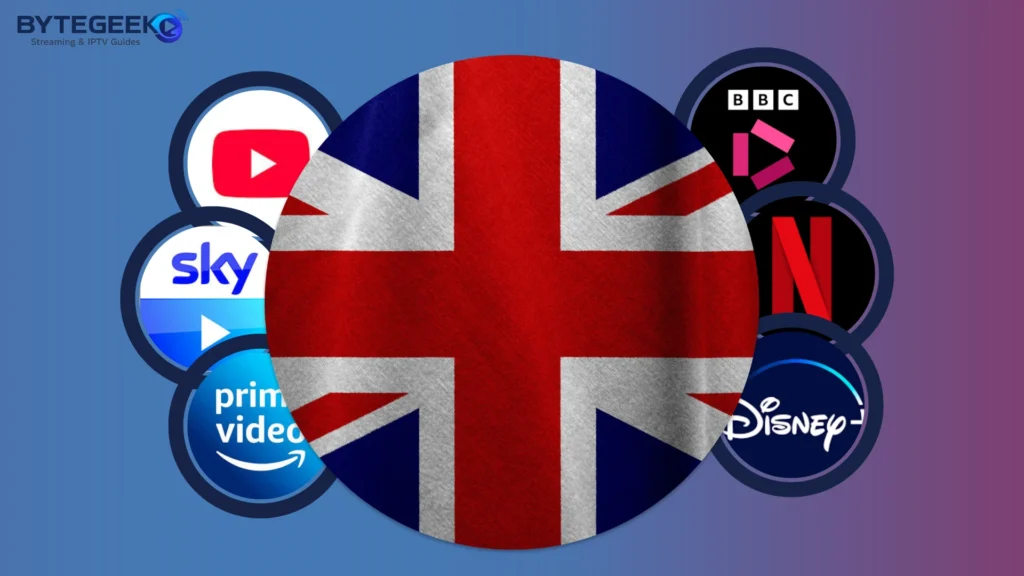
There are many legal alternative platforms that can be used in the UK, such as:
- BBC iPlayer
- ITVX
- Channel 4
- My5
- Freeview Play
- NOW
- Sky Go
- Discovery+
- Netflix
- Amazon Prime Video
- Disney+
- Apple TV+
- YouTube
- YouTube Premium
Is Using a VPN for IPTV Legal?
Using a VPN is legal in the UK, as it is a tool used to protect privacy, secure your internet connection, and reduce data tracking, especially when using public Wi-Fi. However, a VPN is designed to protect data, not to give users a licence to watch illegal content.
This means it should not be seen as a way to avoid the law or as complete protection from risks. If you use an unlicensed IPTV service, a VPN does not make it legal. You may still face risks such as losing money, exposing personal data, or using unsafe apps and links.
Conclusion :
Our team has tried to present, in this article, the main information you need to know about the risks of using illegal IPTV and the important details related to this topic. We hope this article has been useful for you and helped you understand the difference between legal and unlicensed IPTV services. Don’t forget to share your opinions and experiences in the comments.
FAQ :
How can I identify a legitimate IPTV provider in the UK?
A legitimate IPTV provider usually has clear company details, secure payment methods, terms of use, a privacy policy, and licensed content. Be careful with services offering premium channels, sports, or PPV events at very low prices without explaining their broadcasting rights.
